

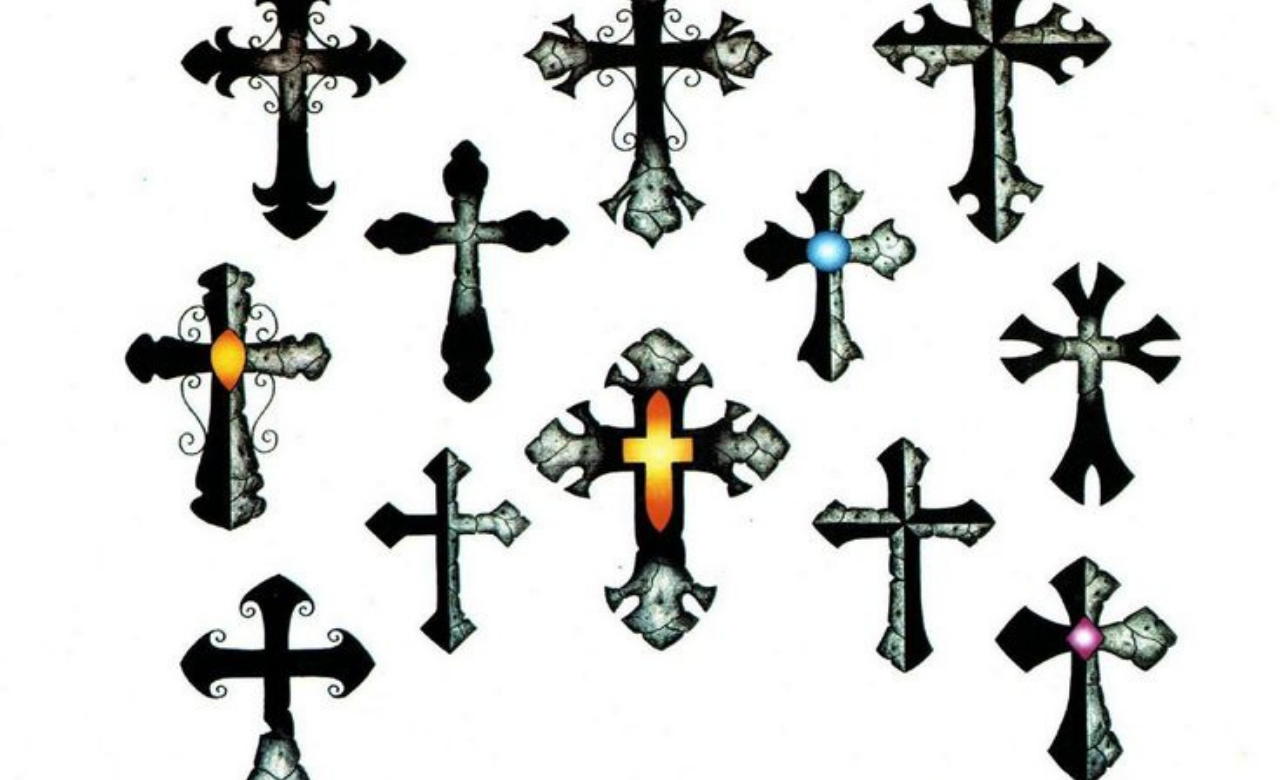
There are moments in life when the heart 70 Types of Christian Crosses and Their Meanings feels weary,when pain lingers longer than expected, prayers seem unanswered, and hope feels fragile. In such seasons, people often turn to symbols of faith for reassurance and strength. Throughout the history of the cross, believers have clung to this sacred sign as a reminder that suffering is never meaningless and that redemption is always possible. The cross has comforted the broken, strengthened the persecuted, and inspired courage in the face of despair.
This comprehensive guide to 70 Types of Christian Crosses and Their Meanings is created to offer encouragement, spiritual reflection, and renewal. Beyond exploring types of crosses, this article provides quotes for hard times, uplifting quotes, inspirational sayings, and heartfelt reflections designed to nurture faith and perseverance. Each cross represents a unique expression of cross symbolism, revealing the enduring meaning of the cross within human suffering and divine love.
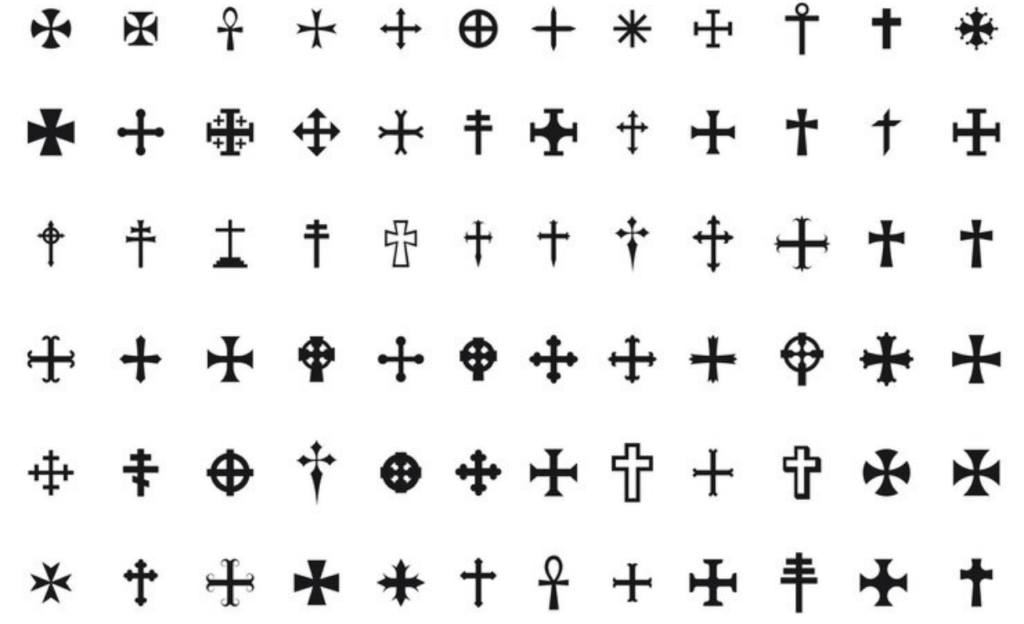
Within the first steps of exploring 70 Types of Christian Crosses and Their Meanings, you will encounter powerful Christian crosses that reflect centuries of belief, sacrifice, and hope. These religious cross symbols illuminate the depth of cross meanings in Christianity, offering encouraging words, hope quotes, and reminders of strength through prayer for anyone seeking peace, clarity, or spiritual renewal.
70 Types of Christian Crosses: Their History and Meanings Explained
Fundamental Christian Crosses
1. Latin Cross (✝)
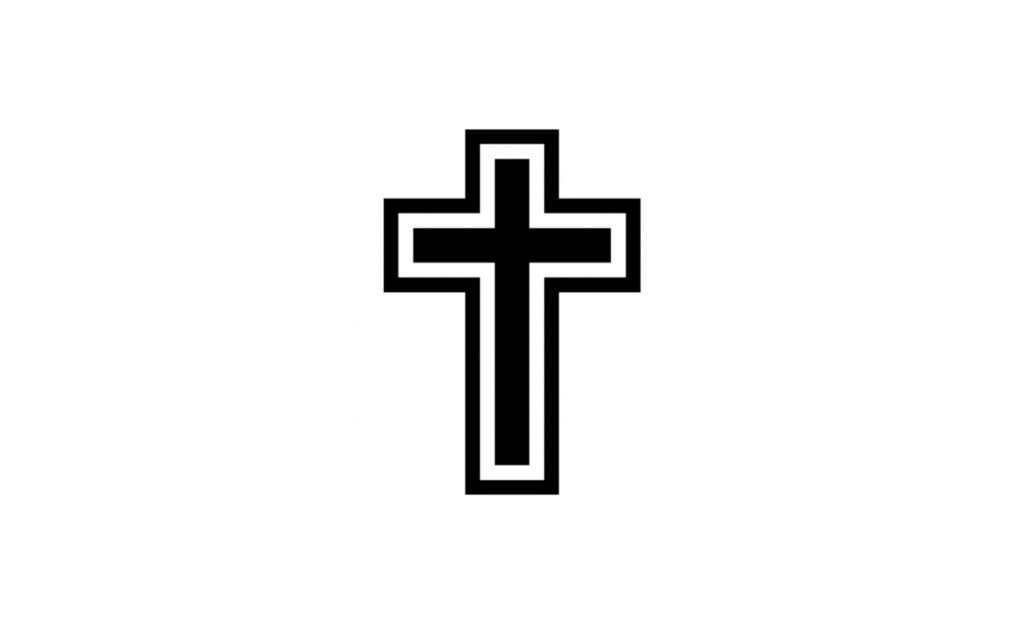
The Latin Cross is the most universally recognized symbol among Christian crosses and stands at the heart of Cross in Christianity. Representing Christ’s crucifixion, sacrifice, and resurrection, the Latin Cross meaning centers on redemption, forgiveness, and salvation. Its simple yet powerful 70 Types of Christian Crosses and Their Meanings form has become the most enduring representation of the meaning of the cross across churches, art, and devotion.
Quotes
- “By His wounds we are healed.” — Isaiah 53:5
- “The cross is the greatest proof of love.” — St. Augustine
- “At the cross, mercy triumphs.” — Unknown
- “No cross, no crown.” — William Penn
- “The cross stands while the world turns.” — Carthusian Motto
- “God’s love was written in sacrifice.” — Unknown
- “The cross reveals the heart of God.” — Tim Keller
- “Through the cross comes victory.” — 1 Corinthians 1:18
- “Love carried Christ to Calvary.” — Unknown
- “The cross is hope lifted high.” — Unknown
Reflection:
The Latin Cross reminds believers that suffering is not the end of the story. Through Christ’s sacrifice, pain is transformed into purpose and death into eternal life.
Prayer:
Lord Jesus, help me carry my cross with faith, trust, and unwavering hope.
2. Greek Cross (+)
The Greek Cross is distinguished by its four equal arms, symbolizing balance, harmony, and divine perfection. Often associated with early Christianity, Greek Cross symbolism reflects Christ’s divine nature and His presence in all directions of the world. Among different types of crosses, it emphasizes unity, wholeness, and God’s eternal completeness.
Quotes
- “God is not a God of confusion, but of peace.” — 1 Corinthians 14:33
- “Faith brings balance to the soul.” — Unknown
- “Christ fills all things.” — Ephesians 1:23
- “God’s presence knows no limits.” — Psalm 139:7
- “Perfect love casts out fear.” — 1 John 4:18
- “Harmony flows from faith.” — Unknown
- “God’s order brings peace.” — Unknown
- “Christ is the center of all.” — Colossians 1:17
- “Faith unites heaven and earth.” — Unknown
- “God’s love reaches every corner.” — Unknown
Reflection:
The Greek Cross invites believers to trust in God’s perfect order, even when life feels unbalanced or uncertain.
Prayer:
God of peace, center my heart in Your divine harmony.
3. Orthodox Cross (☦︎)
The Orthodox Cross features three crossbars, symbolizing Christ’s crucifixion, judgment, and resurrection. Widely used in Eastern Christianity, it reflects deep theological truths about humility, repentance, and hope. Among cross symbols and meanings, the Orthodox Cross emphasizes that suffering, justice, and resurrection are inseparable in Christ.
Quotes
- “Truth shall make you free.” — John 8:32
- “Christ is risen from the dead.” — Orthodox Paschal Hymn
- “The humble will be exalted.” — Luke 14:11
- “Faith steadies the soul.” — Unknown
- “Judgment and mercy meet at the cross.” — Unknown
- “The cross points us heavenward.” — Unknown
- “Hope rises from humility.” — Unknown
- “Christ conquers death forever.” — 1 Corinthians 15:54
- “The cross teaches obedience.” — St. John Chrysostom
- “Glory follows sacrifice.” — Unknown
Reflection:
The Orthodox Cross calls believers to humility, reminding them that true exaltation comes through surrender to God.
Prayer:
Risen Lord, lift my heart toward Your eternal truth and mercy.
Early Christian & Apostolic Crosses
4. Cross of Constantine (Chi-Rho ☧)
One of the earliest Christian crosses, the Chi-Rho symbolizes Christ’s victory over death. The Chi Rho Cross meaning is rooted in Emperor Constantine’s vision before battle, marking it as a sign of triumph, divine authority, and unwavering faith in Christ.
Quotes
- “In this sign, conquer.” — Constantine
- “We are more than conquerors.” — Romans 8:37
- “Victory belongs to the Lord.” — Proverbs 21:31
- “Christ reigns forever.” — Revelation 11:15
- “Faith overcomes fear.” — Unknown
- “Light overcomes darkness.” — John 1:5
- “God’s power brings deliverance.” — Psalm 68:35
- “Hope defeats despair.” — Unknown
- “The Lord is mighty in battle.” — Psalm 24:8
- “Christ is our victory.” — Unknown
Reflection:
The Chi-Rho reminds believers that no battle is faced alone when Christ leads the way.
Prayer:
Christ our King, reign over my fears and grant me victory through faith.
5. Staurogram (⳨)
The Staurogram is one of the earliest visual references to Christ’s crucifixion found in ancient manuscripts. It reflects the profound Crucifix symbolism of sacrifice, love, and redemption present from the very beginnings of Christianity.
Quotes
- “The Word became flesh.” — John 1:14
- “Christ bore our sins.” — 1 Peter 2:24
- “Love was nailed to the cross.” — Unknown
- “By His sacrifice, we live.” — Unknown
- “God’s plan was fulfilled.” — Luke 24:44
- “Grace flows from suffering.” — Unknown
- “Redemption has a cost.” — Unknown
- “The cross was foretold.” — Isaiah 53
- “Hope was born at Calvary.” — Unknown
- “Christ suffered for us.” — Unknown
Reflection:
The Staurogram connects modern believers to the earliest witnesses of Christ’s sacrifice.
Prayer:
Jesus, thank You for suffering so that I may live in grace.
6. Iota-Chi Cross (ΙΧ)
Formed from Greek letters representing Jesus Christ, the Iota-Chi Cross emphasizes identity, authority, and salvation in Christ alone.
Quotes
- “Jesus is Lord.” — Romans 10:9
- “There is no other name.” — Acts 4:12
- “Christ is our cornerstone.” — Ephesians 2:20
- “In Him we live.” — Acts 17:28
- “Faith begins with Christ.” — Unknown
- “Jesus saves.” — Matthew 1:21
- “His name is power.” — Philippians 2:9
- “Hope is found in Him.” — Unknown
- “Christ unites believers.” — Unknown
- “In Christ, all things are new.” — 2 Corinthians 5:17
Reflection:
This cross calls believers to anchor their identity fully in Christ.
Prayer:
Jesus, be the foundation and focus of my life.
7. Ankh Cross (Crux Ansata) (☥)
The Ankh Cross meaning symbolizes eternal life, adopted by early Christians from ancient Egyptian culture to reflect resurrection through Christ.
Quotes
- “I am the resurrection and the life.” — John 11:25
- “Life conquers death.” — Unknown
- “God offers eternal life.” — John 3:16
- “Hope lives forever.” — Unknown
- “Death has lost its sting.” — 1 Corinthians 15:55
- “Faith opens eternity.” — Unknown
- “Christ brings everlasting life.” — Unknown
- “Life is God’s gift.” — Unknown
- “Resurrection is promised.” — Unknown
- “Eternity begins with faith.” — Unknown
Reflection:
The Ankh Cross reassures believers that death is not the end, but a doorway to eternal life.
Prayer:
Lord of life, strengthen my hope in Your eternal promises.
8. Tau Cross (T-shaped)
Associated with Saint Francis of Assisi, the Tau Cross meaning reflects humility, repentance, and divine protection.
Quotes
- “Marked by faith.” — Ezekiel 9:4
- “Blessed are the humble.” — Matthew 5:5
- “The cross marks devotion.” — Unknown
- “Simple faith is powerful.” — St. Francis of Assisi
- “God protects His faithful.” — Unknown
- “Holiness begins with obedience.” — Unknown
- “Faith requires surrender.” — Unknown
- “Marked for salvation.” — Unknown
- “The Lord sees the faithful.” — Unknown
- “The cross seals our hope.” — Unknown
Reflection:
The Tau Cross invites believers to live with humility and obedience before God.
Prayer:
God, mark my heart with faithful surrender and peace.
9. Anchor Cross
A powerful symbol of hope, the Anchor Cross represents steadfast faith during life’s storms.
Quotes
- “Hope anchors the soul.” — Hebrews 6:19
- “God is our refuge.” — Psalm 46:1
- “Faith holds firm.” — Unknown
- “Hope does not disappoint.” — Romans 5:5
- “Trust steadies the heart.” — Unknown
- “Christ is our anchor.” — Unknown
- “Faith endures trials.” — Unknown
- “God remains constant.” — Unknown
- “Peace comes through trust.” — Unknown
- “Hold fast to hope.” — Unknown
Reflection:
The Anchor Cross encourages believers to remain rooted in hope despite uncertainty.
Prayer:
Lord, anchor my soul firmly in Your promises.
10. Early Coptic Cross
The Early Coptic Cross reflects the endurance of Christian faith in Egypt and emphasizes eternity.
Quotes
- “Faith endures all things.” — 1 Corinthians 13:7
- “God’s truth spreads across nations.” — Unknown
- “Christ unites cultures.” — Unknown
- “Hope is timeless.” — Unknown
- “Faith survives persecution.” — Unknown
- “The cross transcends borders.” — Unknown
- “God remains faithful.” — Lamentations 3:22–23
- “Christ is for all people.” — Matthew 28:19
- “Eternal life is promised.” — Unknown
- “Faith preserves identity.” — Unknown
Reflection:
This cross stands as a testament to faith that perseveres through hardship.
Prayer:
Lord, strengthen my faith to endure through every trial.
11. Golgotha Cross
The Golgotha Cross represents the place of Christ’s crucifixion and the triumph of salvation.
Quotes
- “It is finished.” — John 19:30
- “Salvation was won at Calvary.” — Unknown
- “The cross changed history.” — Unknown
- “Grace flows from sacrifice.” — Unknown
- “Christ paid the price.” — 1 Corinthians 6:20
- “Love was poured out.” — Unknown
- “Redemption was accomplished.” — Unknown
- “Hope was born at Golgotha.” — Unknown
- “The cross stands victorious.” — Unknown
- “Mercy triumphed.” — James 2:13
Reflection:
The Golgotha Cross reminds believers that salvation was secured through Christ’s ultimate sacrifice.
Prayer:
Jesus, help me never forget the price You paid for my salvation.
FAQ
What cross should a Christian wear?
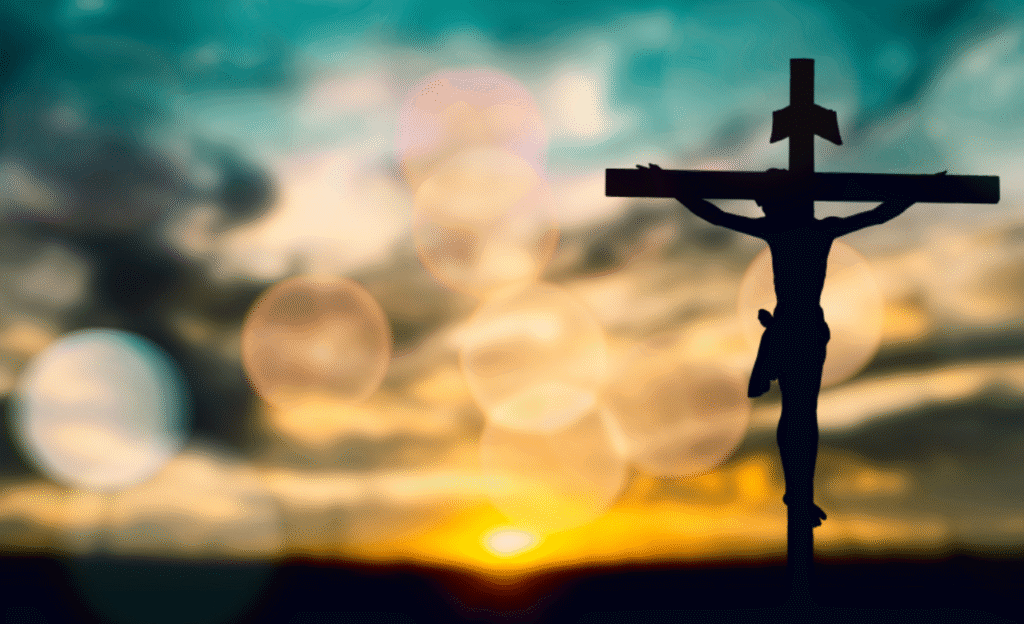
There is no single cross that every Christian must wear. A Christian should wear a cross that reflects their faith, devotion, and understanding of the meaning of the cross, rather than following a rule or trend. Some believers choose the Latin Cross because it is the most widely recognized symbol in Christianity, representing Christ’s sacrifice and resurrection. Others may wear a Crucifix to reflect on Jesus’ suffering, while some prefer simpler designs like the Greek Cross to symbolize balance and divine completeness.
Ultimately, the cross a Christian wears should serve as a personal reminder of faith, humility, and commitment to Christ, not merely a piece of jewelry. What matters most is the heart behind wearing it, not the specific design.
❓ What does ☦ vs ✝ mean?
The symbols ☦ and ✝ represent two different traditions within Christian crosses:
- ✝ (Latin Cross) is the most common cross in Western Christianity, including Catholic and Protestant traditions. It symbolizes Christ’s crucifixion, redemption, and salvation.
- ☦ (Orthodox Cross) is primarily used in Eastern Orthodox Christianity. It features three crossbars:
- The top bar represents the inscription placed above Jesus’ head
- The middle bar represents Christ’s outstretched arms
- The slanted bottom bar symbolizes judgment and the two thieves crucified with Jesus
While both represent the same Christ, the difference lies in theological emphasis and tradition, not in belief in Jesus Himself.
❓ How many Christian crosses are there?
There is no exact number of Christian crosses. Historians and theologians estimate that there are hundreds of different types of crosses worldwide when considering variations in design, culture, region, and historical period. These include fundamental crosses, symbolic crosses, saint-related crosses, regional crosses, and heraldic crosses.
In comprehensive studies and faith-based resources, lists commonly range from 50 to over 300 distinct Christian cross designs. The diversity of crosses reflects the global spread of Christianity and the many ways believers have expressed cross symbolism and faith throughout history.
❓ What is the difference between a Catholic cross and a Christian cross?
A Christian cross is a broad term that refers to any cross used as a symbol of faith in Jesus Christ, including those used by Catholic, Orthodox, and Protestant Christians. The most common Christian cross is the Latin Cross, usually shown without a figure of Jesus.
A Catholic cross, often called a Crucifix, specifically includes the body of Christ on the Explore 70 Types of Christian Crosses and their Meanings, uncovering history, symbolism, faith-based reflections, inspirational quotes, and spiritual insights for believers. cross. This emphasizes Christ’s suffering, sacrifice, and the cost of salvation. Catholics use the Crucifix to reflect deeply on Jesus’ passion and His love for humanity.
In summary:
- Christian cross → Symbol of resurrection, hope, and faith
- Catholic cross (Crucifix) → Focus on Christ’s sacrifice and suffering
Both represent the same belief in Christ but highlight different aspects of cross meanings in Christianity.
CONCLUSION
Across centuries, cultures, and continents, the Christian cross has remained one of the most powerful and enduring symbols of faith. As we have explored 70 Types of Christian Crosses and Their Meanings, it becomes clear that these forms are far more than artistic designs or historical artifacts. Each cross carries a story of sacrifice, hope, perseverance, and redemption, revealing the profound meaning of the cross at the heart of Christian belief.
From the simplicity of the Latin Cross to the rich symbolism of regional and saint-related crosses, the diversity of Christian crosses reflects the global Explore 70 Types of Christian Crosses and their Meanings, journey of Christianity itself. These types of crosses express deep theological truths, cultural identity, and personal devotion, while collectively pointing to the same message: love overcame suffering, and life triumphed over death. Through their varied shapes and traditions, cross symbolism continues to speak to believers in times of joy and hardship alike.visit other artical 100 Bible Verses about Emma
