

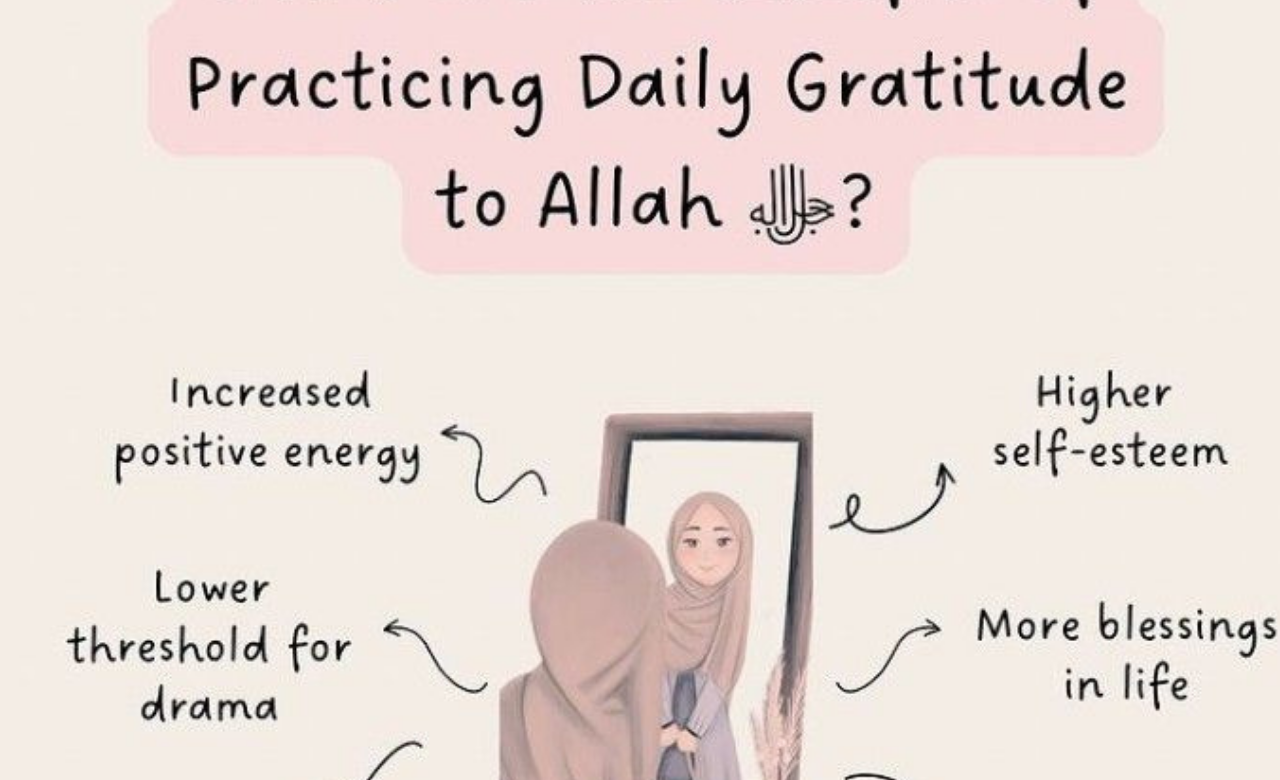
Life does not always unfold gently. There are seasons Islamic Gratitude: The Key to Inner Peace & Divine Blessings when the heart feels heavy, prayers feel unanswered, and patience feels exhausting. Many people quietly carry emotional pain,financial worries, broken relationships, health struggles, or spiritual dryness,while searching for uplifting quotes, hope quotes, and encouraging words that remind them Allah has not abandoned them. In such moments, Islamic Gratitude: The Key to Inner Peace & Divine Blessings becomes more than a topic,it becomes a source of healing.
Islamic gratitude teaches us that gratitude is not reserved for moments of ease. Rather, gratitude in Islam is a spiritual tool that reshapes pain into purpose and hardship into closeness with Allah. When we practice Shukr in Islam, we begin to see that every breath, delay, and trial carries wisdom,even when understanding feels distant.
This article offers Islamic quotes on gratitude, Quranic reflections, Hadiths, and heartfelt prayers to inspire those walking through difficult times. Through thankfulness to Allah, believers gain strength through prayer, faith Islamic Gratitude: The Key to Inner Peace & Divine Blessings and perseverance, and inner peace through gratitude. If your heart seeks comfort, clarity, or spiritual renewal, let these words guide you toward recognizing Allah’s blessings and rediscovering hope through gratitude.

1. The Meaning of Islamic Gratitude
In Islam, gratitude (Shukr) is a comprehensive way of living in awareness of Allah’s presence. Islamic gratitude is not merely saying “Alhamdulillah” with the tongue—it is believing with the heart and acting with obedience. Understanding the meaning of Shukr reveals that gratitude itself is worship.
Gratefulness in Islam has three essential dimensions:
- Gratitude of the heart – recognizing that all good comes from Allah
- Gratitude of the tongue – praising Allah verbally
- Gratitude through actions – using blessings in halal and righteous ways
This foundation reflects the Islamic teachings on gratitude, where belief and behavior work together.
Quranic Verses on Islamic Gratitude
- “If you are grateful, I will surely increase you.” (Qur’an 14:7)
- “Whatever blessing you have is from Allah.” (Qur’an 16:53)
- “Few of My servants are truly grateful.” (Qur’an 34:13)
- “Be grateful to Me and do not deny Me.” (Qur’an 2:152)
- “Allah is pleased with gratitude.” (Qur’an 39:7)
- “Eat of the good things and give thanks.” (Qur’an 16:114)
- “Whoever is grateful, it is for his own benefit.” (Qur’an 31:12)
- “Remember Me; I will remember you.” (Qur’an 2:152)
- “Allah rewards the thankful.” (Qur’an 3:145)
- “Give thanks for Allah’s favor.” (Qur’an 7:160)
Reflection:
These Quranic verses on gratitude show that gratitude attracts increase, contentment, and divine pleasure. Gratitude transforms ordinary moments into worship.
Prayer: O Allah, make us among Your grateful servants.
Hadiths on Islamic Gratitude
- “He who does not thank people does not thank Allah.” (Tirmidhi)
- “Gratitude preserves blessings.” (Ahmad)
- “A grateful servant is beloved to Allah.” (Bukhari)
- “Look to those below you so you do not belittle Allah’s favors.” (Muslim)
- “Thank Allah in ease and hardship.” (Ibn Majah)
- “Contentment is a treasure that never ends.” (Muslim)
- “Allah loves gratitude in every state.” (Bukhari)
- “The best supplication is Alhamdulillah.” (Tirmidhi)
- “Thankfulness is half of faith.” (Bayhaqi)
- “Gratitude leads to nearness to Allah.” (Ahmad)
Reflection:
These Hadiths on gratitude teach that gratitude is not Islamic Gratitude: The Key to Inner Peace & Divine Blessings optional,it reflects true iman.
Prayer: Ya Allah, teach us to be thankful in every situation.
2. The Spiritual Significance of Islamic Gratitude
The importance of gratitude in Islam lies in its spiritual power. Spiritual gratitude in Islam protects the heart from despair, arrogance, and ingratitude, nurturing emotional stability and faith.
Islamic Gratitude Leads to Inner Peace
- “Verily, in the remembrance of Allah do hearts find rest.” (Qur’an 13:28)
- “A grateful heart never feels empty.” (Hasan Al-Basri)
- “Peace comes from trusting Allah.” (Ibn Taymiyyah)
- “Gratitude calms the anxious soul.” (Islamic wisdom)
- “Contentment comes through gratitude.” (Ali ibn Abi Talib)
- “Thankfulness heals the heart.” (Imam Al-Ghazali)
- “Gratitude transforms pain into peace.” (Islamic saying)
- “A thankful heart is a peaceful heart.” (Islamic wisdom)
- “Allah grants tranquility to the grateful.” (Qur’an 39:7)
- “Gratitude is the doorway to peace.” (Ibn Qayyim)
Reflection:
Inner peace through gratitude comes when hearts surrender outcomes to Allah.
Prayer: Grant us peace through gratitude, O Allah.
Islamic Gratitude Prevents Arrogance
- “Allah does not like the arrogant.” (Qur’an 31:18)
- “Gratitude humbles the soul.” (Imam Malik)
- “Arrogance erases blessings.” (Islamic wisdom)
- “Remember Allah often.” (Qur’an 33:41)
- “Humility flows from gratitude.” (Islamic saying)
- “A grateful servant bows before Allah.” (Hadith)
- “Pride blinds the heart.” (Ibn Qayyim)
- “Allah elevates the humble.” (Muslim)
- “Gratitude softens arrogance.” (Islamic reflection)
- “True humility is gratitude.” (Islamic saying)
Reflection:
Gratitude and humility in Islam preserve sincerity and faith.
Prayer: Protect us from pride, Ya Rabb.

Islamic Gratitude Strengthens Faith
- “Faith increases with gratitude.” (Ibn Taymiyyah)
- “Thankfulness is half of iman.” (Bayhaqi)
- “Grateful hearts never lose faith.” (Islamic saying)
- “Allah rewards the thankful.” (Qur’an 3:145)
- “Gratitude strengthens reliance on Allah.” (Islamic wisdom)
- “Iman grows through remembrance.” (Qur’an 29:45)
- “Patience and gratitude complete faith.” (Ibn Qayyim)
- “Allah tests those He loves.” (Tirmidhi)
- “Gratitude builds resilience.” (Islamic reflection)
- “Trust Allah and be thankful.” (Qur’an 65:3)
Reflection:
This explains how gratitude strengthens faith in all circumstances.
Prayer: Strengthen our iman through gratitude.
3. Practical Ways to Cultivate Islamic Gratitude
Islam provides practical guidance on how to practice gratitude in Islam daily.
Reflect on Your Blessings
- “Little is it that you give thanks.” (Qur’an 23:78)
- “Reflect to recognize Allah’s mercy.” (Islamic wisdom)
- “Every breath is a blessing.” (Islamic saying)
- “Gratitude begins with awareness.” (Ibn Qayyim)
- “Hidden blessings surround you.” (Islamic reflection)
- “Reflection leads to gratitude.” (Imam Ghazali)
- “Pause and give thanks.” (Islamic wisdom)
- “Blessings increase with reflection.” (Qur’an 14:7)
- “Gratitude sharpens vision.” (Islamic saying)
- “Recognizing blessings strengthens faith.” (Islamic reflection)
Reflection:
Reflection nurtures gratitude in daily life.
Prayer: Open our eyes to Your blessings.
Express Islamic Gratitude in Prayer
- “Establish prayer for My remembrance.” (Qur’an 20:14)
- “Prayer is gratitude in action.” (Islamic saying)
- “Salah connects hearts to Allah.” (Islamic wisdom)
- “Gratitude flows through prayer.” (Ibn Qayyim)
- “Thankfulness is worship.” (Islamic teaching)
- “Prayer strengthens patience.” (Qur’an 2:153)
- “Every sajdah is gratitude.” (Islamic reflection)
- “Allah loves thankful worship.” (Qur’an 39:7)
- “Prayer renews gratitude.” (Islamic saying)
- “Worship nurtures gratitude.” (Imam Shafi’i)
Reflection:
Prayer embodies gratitude as worship.
Prayer: Accept our thankful prayers, Ya Allah.
Show Islamic Gratitude to Others
- “He who does not thank people does not thank Allah.” (Tirmidhi)
- “Kindness is gratitude in action.” (Islamic wisdom)
- “Thank your parents.” (Qur’an 17:24)
- “Gratitude builds community.” (Islamic reflection)
- “Appreciation reflects iman.” (Islamic saying)
- “Kind words are charity.” (Bukhari)
- “Thankfulness strengthens bonds.” (Islamic wisdom)
- “Serve others gratefully.” (Islamic teaching)
- “Gratitude spreads mercy.” (Islamic reflection)
- “Appreciate to elevate faith.” (Islamic saying)
Reflection:
This reflects how to show gratitude to Allah through people.
Prayer: Make us thankful servants.
Keep a Gratitude Journal
- “Remember Allah often.” (Qur’an 33:41)
- “Writing gratitude strengthens awareness.” (Islamic reflection)
- “Record Allah’s favors.” (Islamic wisdom)
- “A gratitude journal nurtures faith.” (Islamic saying)
- “Daily gratitude transforms mindset.” (Islamic reflection)
- “Gratitude renews hope.” (Islamic wisdom)
- “Write blessings, erase despair.” (Islamic saying)
- “Mindful gratitude heals hearts.” (Islamic reflection)
- “Gratitude journaling increases patience.” (Islamic wisdom)
- “Gratitude becomes habit.” (Islamic saying)
Reflection:
A gratitude journal in Islam builds spiritual awareness.
Prayer: Fill our hearts with remembrance.
Charity as a Form of Islamic Gratitude
- “Spend from what We provided you.” (Qur’an 63:10)
- “Charity purifies wealth.” (Muslim)
- “Giving is gratitude.” (Islamic saying)
- “Charity attracts blessings.” (Islamic wisdom)
- “Sadaqah extinguishes sins.” (Tirmidhi)
- “Share blessings gratefully.” (Islamic reflection)
- “Charity strengthens faith.” (Islamic teaching)
- “Give to thank Allah.” (Islamic wisdom)
- “Wealth is a trust.” (Islamic reflection)
- “Charity reflects reliance on Allah.” (Islamic saying)
Reflection:
This is charity as gratitude in Islam.
Prayer: Accept our charity, Ya Allah.
4. Islamic Gratitude in Difficult Times
Gratitude in difficult times tests sincerity but yields Islamic Gratitude: The Key to Inner Peace & Divine Blessingsimmense reward.
Trusting in Allah’s Wisdom
- “Perhaps you dislike something that is good for you.” (Qur’an 2:216)
- “Allah knows what you do not.” (Qur’an 2:216)
- “Trials purify hearts.” (Islamic wisdom)
- “Patience leads to gratitude.” (Ibn Qayyim)
- “Hardship refines faith.” (Islamic reflection)
- “Trust Allah’s plan.” (Islamic saying)
- “Every test has wisdom.” (Islamic reflection)
- “Allah is gentle with His servants.” (Qur’an 42:19)
- “Patience and gratitude go together.” (Islamic wisdom)
- “Faith grows in hardship.” (Islamic reflection)
Reflection:
This teaches being grateful in hard times Islam.
Prayer: Grant us patience and gratitude.
FAQ
What Does Islam Say About Inner Peace?
Islam teaches that inner peace is achieved through faith, remembrance of Allah, and complete trust in His wisdom. True peace does not come from wealth or comfort, but from a heart connected to Allah. The Qur’an clearly states:
“Verily, in the remembrance of Allah do hearts find rest.” (Qur’an 13:28)
Through Islamic gratitude, prayer, patience, and reliance on Allah, a believer develops inner peace through gratitude. Islam encourages Islamic Gratitude: The Key to Inner Peace & Divine Blessings surrendering worries to Allah, trusting His decree, and maintaining balance through worship. When gratitude replaces complaint, anxiety turns into tranquility, and the heart finds lasting peace regardless of circumstances.
What Does Islam Say About Gratitude?
Gratitude in Islam (Shukr in Islam) is a fundamental act of worship and a sign of true faith. Islam teaches that every blessing—big or small comes from Allah and must be acknowledged with humility and thankfulness. Allah says:
“If you are grateful, I will surely increase you.” (Qur’an 14:7)
Islamic teachings on gratitude emphasize that thankfulness leads to increased blessings, stronger faith, and divine pleasure. Islamic gratitude is not limited to words; it includes belief, action, and obedience. A grateful believer recognizes Allah in both ease and hardship, making gratitude a lifelong spiritual discipline.
How to Show Gratitude to Allah for All the Blessings?
Islam provides practical guidance on how to show gratitude to Allah in daily life:
- Gratitude of the Heart – Recognizing that all blessings come Islamic Gratitude: The Key to Inner Peace & Divine Blessings from Allah and feeling sincere appreciation.
- Gratitude of the Tongue – Frequently saying Alhamdulillah and praising Allah.
- Gratitude Through Actions – Using Allah’s blessings in halal and righteous ways.
Other important ways include:
- Performing Salah with sincerity
- Giving charity (charity as gratitude in Islam)
- Helping others and thanking people
- Reflecting on the blessings of Allah daily
- Practicing gratitude in difficult times
By aligning heart, speech, and actions, believers fulfill true gratitude towards Allah.
What Are the Pillars of Gratitude in Islam?
The scholars of Islam explain that Islamic gratitude rests upon three essential pillars, forming the foundation of gratefulness in Islam:
1. Gratitude of the Heart
Acknowledging inwardly that every blessing—health, faith, provision, and guidance—comes solely from Allah.
2. Gratitude of the Tongue
Verbally praising Allah through remembrance (dhikr), saying Alhamdulillah, and expressing thankfulness to Allah openly.
3. Gratitude Through Actions
Demonstrating gratitude by obeying Allah, avoiding sin, helping others, and using blessings in ways that please Him.
These pillars reflect the complete gratitude mindset in Islam and ensure that gratitude is lived,not just spoken.
CONCLUSION
Islamic gratitude is not a temporary emotion Islamic Gratitude: The Key to Inner Peace & Divine Blessings tied only to ease and comfort,it is a lifelong spiritual practice that shapes the heart, strengthens faith, and transforms how a believer experiences life. Through gratitude in Islam, we learn that every moment carries meaning, every test carries wisdom, and every blessing,seen or unseen,is a gift from Allah. Practicing Shukr in Islam trains the soul to recognize Allah’s mercy even when circumstances feel heavy.
By embracing Islamic teachings on gratitude, believers develop Islamic Gratitude: The Key to Inner Peace & Divine Blessings resilience, humility, and inner peace through gratitude. Whether expressed through prayer, reflection, charity, or kind words, thankfulness to Allah draws the heart closer to Him and opens the doors to increased blessings of Allah. Even during trials, gratitude during hardship nurtures patience, deepens reliance on Allah, and restores hope.visit other artical 100 Most Popular Short Bible Verses
I
