

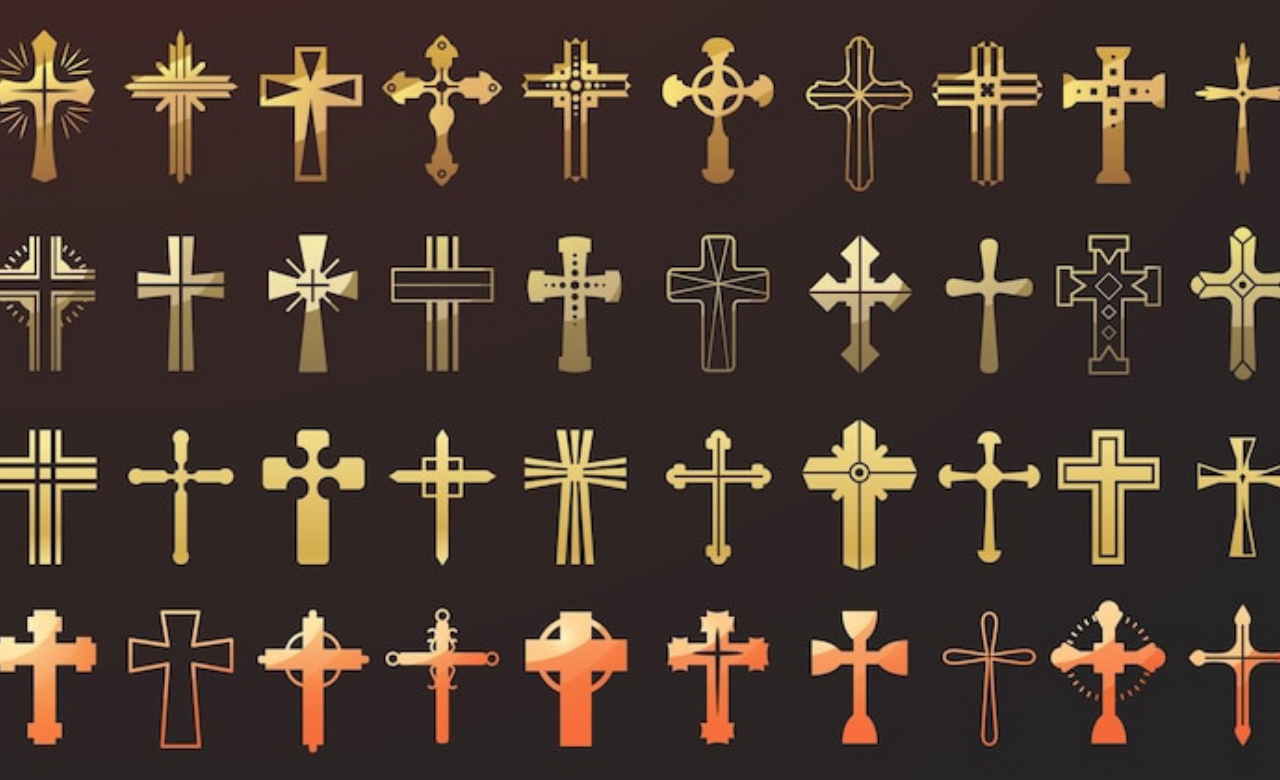
In seasons of grief, uncertainty, and emotional exhaustion, the human heart instinctively searches for meaning. When words fail, symbols speak. Across centuries of suffering, persecution, hope, and renewal, Christian faith symbols have carried silent yet powerful messages to believers who were struggling through History and Meaning of Christian Faith Symbols hard times. A simple cross, a carved fish, a candle lit in darkness each symbol whispers encouragement, endurance, and the promise that God is present even when life feels overwhelming.
This in-depth guide on the History and Meaning of Christian Faith Symbols is written to offer inspiration, encouragement, motivation, and spiritual reflection. Through history, theology, uplifting quotes, inspirational sayings, hope quotes, and short prayers, this article connects ancient Christian symbolism with modern struggles. These symbols are more than religious art; they are visual prayers that remind believers of strength through prayer, faith and perseverance, and God’s unchanging love. If you are seeking encouraging words during difficult seasons, this article will help you rediscover hope through the timeless language of Christian faith.
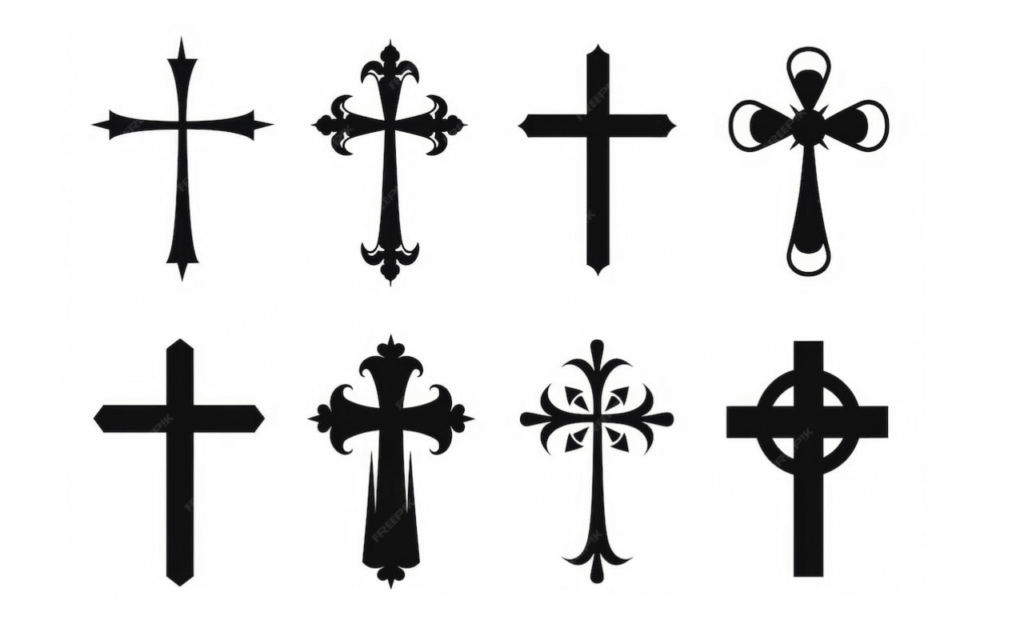
Christian Symbols and Their Meanings
Christian symbols emerged as sacred expressions of belief long before Christianity was legally accepted. They communicated theology, identity, and hope to believers who History and Meaning of Christian Faith Symbols often risked their lives for faith. Even today, these symbols continue to strengthen spiritual identity and guide believers through hardship.
History of Christian Symbols
Christian symbolism developed gradually, shaped by Jewish tradition, Greco-Roman culture, and the lived experiences of early believers. During persecution, symbols replaced written doctrine History and Meaning of Christian Faith Symbols and spoken confession. They were etched into walls, carved into tombs, and woven into daily life as expressions of unwavering faith.
Quotes
- “Symbols are the language through which faith survives history.” — Thomas Merton
- “Christian symbols were born in suffering and sustained by hope.” — Henri Nouwen
- “Faith speaks through images when words are forbidden.” — Anonymous
- “The cross transformed shame into glory.” — Augustine of Hippo
- “Sacred symbols teach the heart what the mind struggles to grasp.” — Pope Benedict XVI
- “The early Church painted its prayers on stone.” — Unknown
- “Symbols preserve belief when voices are silenced.” — Karl Rahner
- “Hope survives through sacred signs.” — Paul Tillich
- “Christian art is theology in color.” — John Paul II
- “What believers dared not say, they dared to draw.” — Church historian
Reflection: Christian symbols were born out of hardship, making them especially powerful for believers facing trials today.
Prayer: Lord, help us recognize Your truth through the sacred symbols passed down through generations.
What Important Religious Symbols Are There in Christianity and What Do They Mean?
Christianity uses symbols to communicate profound theological truths simply and memorably. Below are some of the most important and enduring Christian symbols.
PX Monogram of Christ (Chi-Rho)
The Chi-Rho is formed by the first two Greek letters of Christ’s name. It became a powerful symbol of victory after Emperor Constantine adopted it, marking Christianity’s transition from History and Meaning of Christian Faith Symbols persecution to public worship.
Quotes
- “In this sign you shall conquer.” — Constantine the Great
- “Christ reigns over history.” — Pope Francis
- “Victory flows from Christ alone.” — Augustine
- “The name of Jesus is above all names.” — Philippians 2:9
- “Christ is the banner of hope.” — St. Ambrose
- “Faith triumphs through Christ.” — Anonymous
- “The cross and Christ cannot be separated.” — Thomas Aquinas
- “Jesus is Lord.” — Romans 10:9
- “Christ conquers fear.” — Henri Nouwen
- “All authority belongs to Him.” — Scripture
Reflection: The Chi-Rho proclaims Christ’s victory over fear, sin, and death.
Prayer: Jesus, reign in our hearts and give us courage to trust You.
Alpha and Omega
Derived from the Book of Revelation, Alpha and Omega represent Christ as the beginning and end of all creation.
Quotes
- “I am the Alpha and the Omega.” — Revelation 22:13
- “God holds every moment.” — Anonymous
- “Eternity rests in Christ.” — St. Irenaeus
- “Time bows before God.” — Thomas Aquinas
- “Nothing exists outside Him.” — Augustine
- “Faith anchors us in eternity.” — Unknown
- “God finishes what He begins.” — Paul Tillich
- “Hope spans beyond time.” — Henri Nouwen
- “Christ is everlasting.” — Church hymn
- “Our future rests in God.” — Scripture
Reflection: This symbol reassures believers that God is present in every season of life.
Prayer: Eternal God, hold our past, present, and future in Your hands.
Rainbow
The rainbow symbolizes God’s covenant with humanity after the flood, representing mercy, promise, and renewal.
Quotes
- “I set my rainbow in the clouds.” — Genesis 9:13
- “God remembers His promises.” — Unknown
- “Hope follows every storm.” — Anonymous
- “Mercy triumphs over judgment.” — Augustine
- “Color speaks grace.” — Unknown
- “Faith sees beyond disaster.” — Henri Nouwen
- “God’s promise never fades.” — Scripture reflection
- “Hope arches over despair.” — Unknown
- “Covenant written in light.” — Theologian quote
- “God remains faithful.” — Bible teaching
Reflection: The rainbow reminds believers that suffering is never the final word.
Prayer: God of promise, renew our hope after every storm.
Vine and Wine
This symbol reflects spiritual nourishment, unity, and the life-giving relationship between Christ and believers.
Quotes
- “I am the vine; you are the branches.” — John 15:5
- “Life flows from Christ.” — Augustine
- “Remain in Me.” — Jesus Christ
- “Faith bears fruit.” — Unknown
- “Unity grows in Christ.” — Pope Benedict XVI
- “Apart from Him, we wither.” — Scripture reflection
- “Spiritual life requires connection.” — Henri Nouwen
- “Christ nourishes the soul.” — Thomas Merton
- “Faith flourishes through communion.” — Unknown
- “Christ is our source.” — Christian teaching
Reflection: The vine teaches believers dependence on Christ for spiritual life.
Prayer: Lord, keep us united to You so we may bear lasting fruit.
Lamb of God
The Lamb symbolizes Christ’s sacrifice, innocence, and redemptive love.
Quotes
- “Behold the Lamb of God.” — John 1:29
- “Sacrifice brings redemption.” — Augustine
- “Love laid down His life.” — Scripture
- “Christ is our Passover.” — St. Paul
- “Gentleness conquers.” — Thomas à Kempis
- “The Lamb reigns forever.” — Revelation
- “Victory through surrender.” — Unknown
- “Redemption flows from love.” — Henri Nouwen
- “Grace through sacrifice.” — Christian hymn
- “Mercy triumphs.” — Scripture
Reflection: The Lamb of God reveals that salvation flows from love and humility.
Prayer: Lamb of God, grant us mercy and peace.
What Christian Symbols Are Depicted on Gravestones?
Christian gravestone symbols express hope beyond death and belief in resurrection.
Hands in Prayer
Quotes
- “Prayer never ends.” — Unknown
- “Faith beyond death.” — Anonymous
- “Hope reaches heaven.” — Scripture reflection
- “Hands lifted to God.” — Psalm imagery
- “Eternal trust.” — Unknown
- “Prayer unites earth and heaven.” — Thomas Merton
- “Faith rests in God.” — Augustine
- “The soul lives on.” — Christian tradition
- “Peace through prayer.” — Unknown
- “Rest in God.” — Scripture
Reflection: Praying hands symbolize surrender, faith, and eternal trust.
Prayer: Lord, receive our loved ones into Your everlasting peace.
History: Early Christian Symbolism
The 7 Most Beautiful Ancient Christian Symbols and Their Meanings
The Peacock
In early Christianity, the peacock symbolized immortality because History and Meaning of Christian Faith Symbols it was believed its flesh did not decay.
Quotes
- “Life conquers death.” — Early Christian belief
- “Beauty reflects eternity.” — Augustine
- “Resurrection promised.” — Unknown
- “Hope beyond the grave.” — Scripture reflection
- “God renews life.” — Thomas Aquinas
- “Faith sees forever.” — Unknown
- “Heavenly beauty.” — Early Christian art
- “Renewal never ends.” — Henri Nouwen
- “Glory awaits.” — Christian hymn
- “Life is eternal in God.” — Church teaching
Reflection: The peacock reminds believers of resurrection and eternal life.
Prayer: God of life, strengthen our hope in resurrection.
The Fish (Ichthys)
The fish was one of the earliest Christian symbols, representing Jesus Christ and baptism.
Quotes
- “Jesus Christ, Son of God, Savior.” — Ichthys acronym
- “Faith in secret.” — Early Christians
- “Baptism into Christ.” — Scripture imagery
- “Life from living water.” — John’s Gospel
- “Disciples of faith.” — Unknown
- “Following Christ.” — Anonymous
- “Faith beneath the surface.” — Reflection quote
- “Believers recognize one another.” — Church history
- “Christ feeds the soul.” — Augustine
- “Faith survives persecution.” — Unknown
Reflection: The fish symbolized courage, identity, and salvation.
Prayer: Lord, help us follow You faithfully.
Early Christian Symbols: History, Meaning, and Usage Today
What Are Early Christian Symbols?
Early Christian symbols were visual expressions of belief that communicated faith, hope, and doctrine to believers who often could not read or worship openly.
The History of Early Christian Symbols
The Role of Symbols in Early Christianity
Symbols unified believers and preserved faith during persecution.
Evolution of Christian Symbolism
From secrecy in catacombs to prominence in churches, symbols evolved alongside Christian history.
Christian Symbols and Practices
Symbols became central to worship, sacraments, and devotion.
Key Milestones
From Roman persecution to imperial acceptance, Christian symbolism expanded across cultures.
Key Early Christian Symbols and Their Meanings
1. The Cross: The Most Recognizable Christian Symbol
Historical Significance of the Cross
Once a symbol of death, the cross became a sign of redemption and victory.
Variations of the Cross
Latin Cross (Crux Immissa)
Represents Christ’s sacrifice and salvation.
St. Andrew’s Cross
Symbol of humility and martyrdom.
Frequently Asked Questions
What are the earliest Christian symbols?
The earliest Christian symbols date back to the 1st–3rd centuries AD, when Christians faced persecution and practiced their faith discreetly. Common early symbols included the Ichthys (fish), anchor, Chi-Rho (☧), dove, and Good Shepherd. These symbols conveyed Christian beliefs without openly displaying the cross.
What are some examples of Christian symbols?
Examples of Christian symbols include the cross, crucifix, lamb, Bible, Alpha and Omega, dove, crown of thorns, and light or candle. Each symbol represents an important aspect of Christian History and Meaning of Christian Faith Symbols faith, such as salvation, sacrifice, peace, and God’s eternal nature.
What does ☦ vs ✝ mean?
The ☦ Orthodox Cross is primarily used in Eastern Orthodox Christianity and features three horizontal bars, symbolizing Christ’s crucifixion and the concept of judgment and salvation.
The ✝ Latin Cross, used by Catholic and Protestant churches, has a single horizontal bar and represents Jesus Christ’s sacrifice and resurrection. Both symbols reflect different Christian traditions but share the same core belief in Christ.
Which symbols became prominent in early Christian art?
Prominent symbols in early Christian art include the fish (Ichthys), Good Shepherd, anchor, Chi-Rho, vine and grapes, and peacock. These images were commonly found in catacombs and early church mosaics, serving as visual expressions of Christian hope, faith, and eternal life.
Conclusion:
History and Meaning of Christian Faith Symbols hold deep spiritual, historical, and theological significance, tracing their origins back to the earliest days of Christianity. From the Ichthys (fish) and Chi-Rho used by persecuted believers to the universally recognized cross, these symbols have served as powerful expressions of faith, identity, and hope. Each Christian symbol carries a message rooted in Scripture, tradition, and lived belief, helping believers visually connect with the core teachings of Christianity.
Understanding the meaning behind Christian symbols such as the Orthodox Cross (☦), Latin Cross (✝), Good Shepherd, and anchor allows modern readers to appreciate how early Christians History and Meaning of Christian Faith Symbols communicated their faith through art and imagery. These symbols not only shaped early Christian art but continue to influence Christian worship, architecture, jewelry, and devotional practices today. visit other article Dua for blessed Hajj and Umrah journey
