

Life can feel unbearably heavy at Taraweeh Supplications for Night Prayers in Ramadan times. Worries about the future, regrets from the past, and silent struggles of the heart often intensify during quiet nights. Yet Ramadan arrives as Allah’s gentle reminder that no believer walks alone. The nights of Ramadan,especially during Taraweeh,carry a healing power that softens broken hearts, restores hope, and renews faith. Taraweeh Supplications for Night Prayers in Ramadan are not just words recited after long days of fasting; they are lifelines for souls seeking peace, forgiveness, and divine closeness.
In moments of hardship, believers often turn to uplifting quotes, hope quotes, and inspirational sayings for comfort. But nothing compares to strength through prayer, where tears become duas and Taraweeh Supplications for Night Prayers in Ramadan silence becomes worship. Taraweeh offers encouraging words from the Qur’an, nurturing faith and perseverance when we feel weakest.
This article is designed to provide inspiration, encouragement, motivation, and reflection through carefully selected quotes, authentic explanations, and heartfelt prayers. Whether you are overwhelmed, searching for meaning, or longing for spiritual renewal, these Taraweeh Supplications for Night Prayers in Ramadan will guide your heart back to Allah,where true peace resides.
Interesting Taraweeh Dua in English: A Powerful Supplication for Ramadan Nights
What Is the Taraweeh Dua in English?
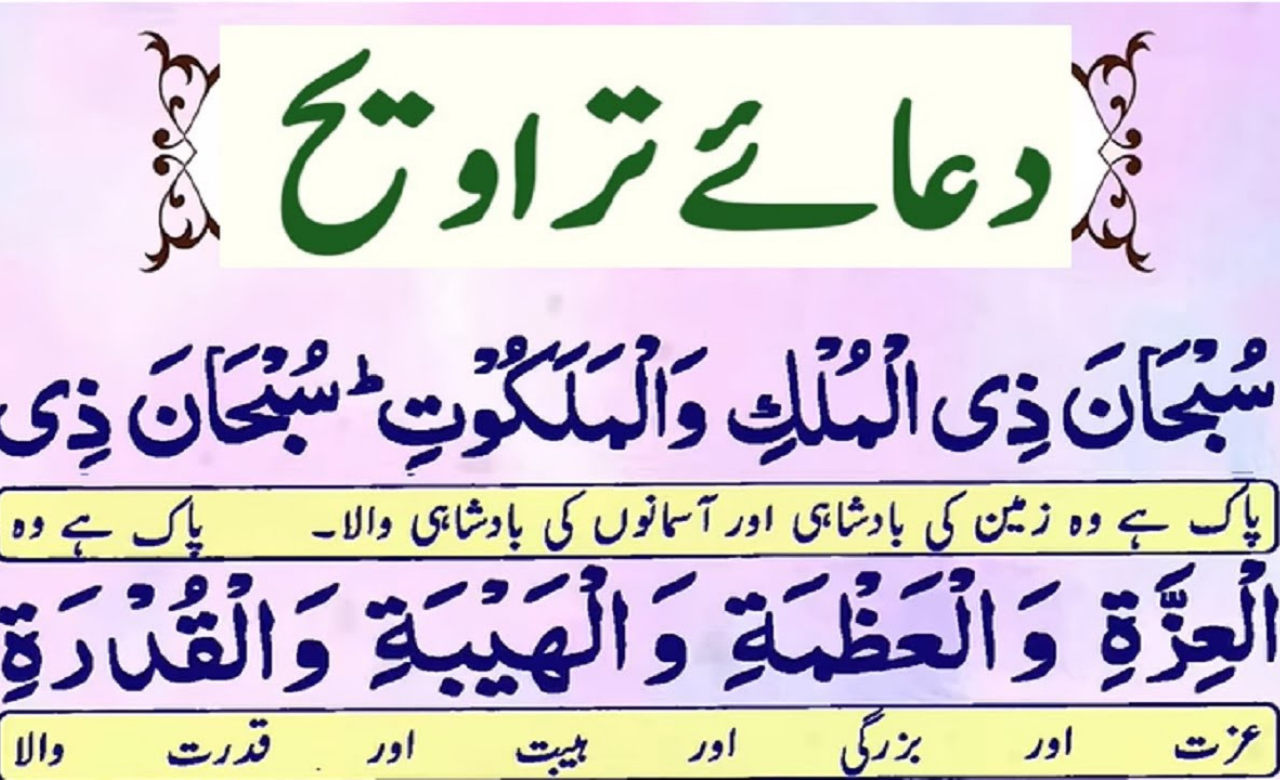
Taraweeh dua refers to supplications commonly recited during or after the Taraweeh prayer in Ramadan. While there is no single fixed dua mandated for Taraweeh, many mosques and individuals Taraweeh Supplications for Night Prayers in Ramadan recite well-known supplications that focus on forgiveness, mercy, guidance, and salvation from Hellfire. These duas are often recited in Arabic but are deeply meaningful when understood in English.
10 Quotes on Supplication and Prayer
- “Dua is the weapon of the believer.” — Hadith
- “When you ask, ask Allah.” — Prophet Muhammad ﷺ
- “Prayer is the key to mercy.” — Islamic saying
- “Allah is near to those who call upon Him.” — Qur’an 2:186
- “Supplication changes destiny.” — Hadith
- “Turn to Allah before you return to Allah.” — Umar ibn Al-Khattab
- “The night prayer illuminates the heart.” — Hasan al-Basri
- “Allah listens even when words fail.” — Islamic reflection
- “Dua connects the weak servant to the All-Powerful.” — Islamic scholar
- “Prayer is hope whispered to the heavens.” — Inspirational saying
Reflection:
These quotes remind us that dua is not about eloquence but sincerity. Taraweeh nights give believers uninterrupted moments to pour their hearts before Allah.
Short Prayer:
O Allah, accept our supplications and draw us closer to You.
The Taraweeh Dua in English – Full Translation and Meaning
The commonly recited Taraweeh dua focuses on seeking Taraweeh Supplications for Night Prayers in Ramadan Allah’s pleasure, forgiveness, and protection from punishment. Though wordings vary, the core meaning remains centered on mercy and hope.
10 Quotes on Mercy and Forgiveness
- “Allah’s mercy outweighs His wrath.” — Hadith Qudsi
- “Never despair of Allah’s mercy.” — Qur’an 39:53
- “Forgiveness is beloved to Allah.” — Hadith
- “Ramadan is the month of mercy.” — Islamic tradition
- “Allah loves those who repent.” — Qur’an 2:222
- “Every night Allah frees souls from Hellfire.” — Hadith
- “Repentance wipes away sins.” — Hadith
- “Mercy descends in the night prayers.” — Islamic reflection
- “Allah forgives even before you ask.” — Inspirational saying
- “Hope in Allah is an act of worship.” — Islamic scholar
Reflection:
Understanding the meaning of Taraweeh duas transforms ritual into relationship. Each phrase becomes a personal plea rather than memorized words.
Short Prayer:
Ya Allah, forgive our sins and envelop us in Your mercy.
Is This Dua from the Sunnah? What Scholars Say
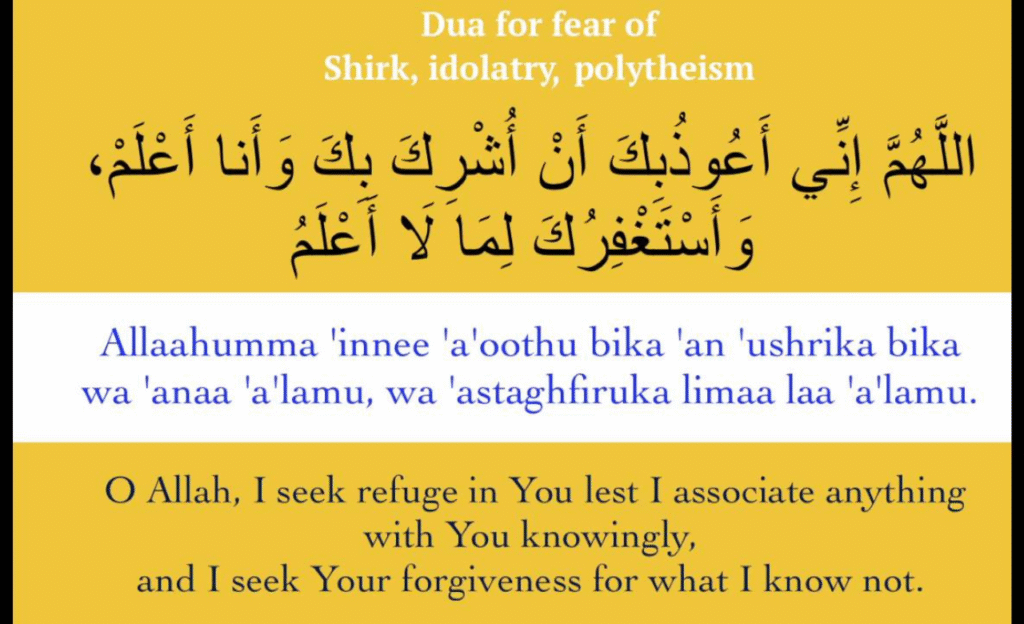
Scholars agree that Taraweeh prayer itself is from the Sunnah, established by the Prophet ﷺ and revived by Umar ibn Al-Khattab (RA). However, there is no single authenticated dua specifically prescribed for Taraweeh. Any dua consistent with Islamic teachings is permissible.
10 Scholarly Quotes on Innovation and Flexibility
- “Any good supplication is allowed.” — Imam Nawawi
- “Dua is worship.” — Hadith
- “Flexibility is part of Islam.” — Ibn Taymiyyah
- “Allah loves variety in worship.” — Islamic jurisprudence
- “What matters is sincerity.” — Imam Malik
- “No harm in collective duas.” — Contemporary scholars
- “Innovation is only blameworthy if it contradicts Sunnah.” — Usul al-Fiqh
- “Supplication is unrestricted.” — Islamic consensus
- “The heart’s presence is key.” — Spiritual teaching
- “Allah responds to every sincere call.” — Hadith
Reflection:
Taraweeh duas remain valid as long as they align with Qur’an and Sunnah, making room for personal connection with Allah.
Short Prayer:
O Allah, accept our worship as sincere and pleasing to You.
When and How It’s Recited in Taraweeh
Taraweeh duas may be recited after every four rak‘ahs, during Witr, or after completing the prayer. Congregational mosques often recite them aloud, while individuals may silently supplicate.
10 Quotes on Timing and Night Worship
- “The best prayer after obligatory is night prayer.” — Hadith
- “Allah descends in the last third of the night.” — Hadith
- “Night worship brings light.” — Islamic saying
- “The quiet night is closest to Allah.” — Spiritual reflection
- “Angels witness night prayers.” — Hadith
- “Dua in the night is answered.” — Islamic teaching
- “Taraweeh revives the heart.” — Scholar quote
- “The night hides sincerity.” — Hasan al-Basri
- “Worship in hardship elevates ranks.” — Hadith
- “Allah loves those who stand at night.” — Islamic tradition
Reflection:
Night supplications carry unique acceptance. Taraweeh allows believers to align their hearts with divine timing.
Short Prayer:
Ya Allah, accept our night prayers and respond to our duas.
The Authentic Qunoot Dua of Witr
The Qunoot dua recited in Witr is authentically reported from the Prophet ﷺ. It asks for guidance, protection, and blessings.
10 Quotes on Guidance and Reliance
- “Guide us among those You guided.” — Qunoot
- “Allah is sufficient for us.” — Qur’an
- “Guidance is a gift.” — Islamic teaching
- “Reliance brings peace.” — Hadith
- “Allah protects whom He wills.” — Qur’an
- “The guided never despair.” — Scholar quote
- “Qunoot strengthens faith.” — Islamic reflection
- “Ask Allah for steadfastness.” — Hadith
- “Guidance outweighs worldly gain.” — Ulama
- “Allah never abandons His servants.” — Inspirational saying
Reflection:
Qunoot reminds believers that guidance and protection come only from Allah.
Short Prayer:
O Allah, guide us and protect us from all harm.
Why Muslims Still Hold on to the Taraweeh Dua
Despite variations, Taraweeh duas unite communities and hearts in shared hope.
10 Quotes on Unity and Tradition
- “Unity strengthens faith.” — Islamic saying
- “Community worship multiplies reward.” — Hadith
- “Traditions preserve spirituality.” — Scholar quote
- “Hearts connect in prayer.” — Reflection
- “Ramadan revives unity.” — Islamic teaching
- “Shared duas soften hearts.” — Imam
- “Allah loves congregations.” — Hadith
- “Faith grows together.” — Inspirational quote
- “Mosques echo mercy.” — Islamic saying
- “Togetherness heals souls.” — Reflection
Reflection:
Taraweeh duas symbolize collective hope and faith.
Short Prayer:
Ya Allah, unite our hearts upon Your remembrance.
Related Verses and Duas from the Qur’an
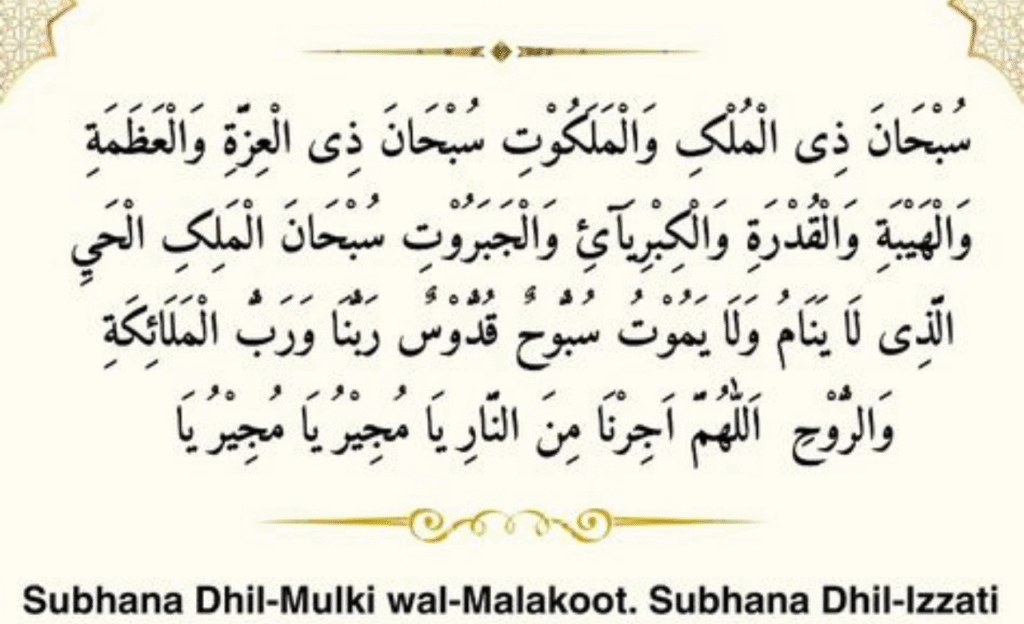
The Qur’an is filled with supplications reflecting humility and trust.
10 Qur’anic Quotes
- “Our Lord, forgive us.” — Qur’an
- “Grant us good in this world and the Hereafter.” — 2:201
- “You are our Protector.” — 2:286
- “Increase me in knowledge.” — 20:114
- “Have mercy on us.” — 7:23
- “Guide us to the straight path.” — 1:6
- “You are the Best of Planners.” — 8:30
- “Do not burden us.” — 2:286
- “We rely upon You.” — 3:159
- “You are the Most Forgiving.” — 85:14
Reflection:
Qur’anic duas shape the language of Taraweeh supplications.
Short Prayer:
O Allah, make the Qur’an the light of our hearts.
Islamic Community
Taraweeh strengthens community bonds through shared worship.
10 Quotes on Brotherhood
- “Believers are brothers.” — Qur’an
- “Community is mercy.” — Hadith
- “Pray together, grow together.” — Islamic saying
- “Mosques build unity.” — Scholar
- “Shared worship heals divisions.” — Reflection
- “Faith thrives in community.” — Inspirational quote
- “Taraweeh gathers hearts.” — Imam
- “Together we seek Allah.” — Islamic teaching
- “Unity attracts blessings.” — Hadith
- “Community strengthens resolve.” — Reflection
Reflection:
Ramadan revives the spirit of Islamic brotherhood.
Short Prayer:
Ya Allah, strengthen our communities in faith.
Dua for Taraweeh: Powerful Supplications for Night Prayers in Ramadan
What Is Taraweeh and Why Is It Important?
Taraweeh is a voluntary night prayer performed in Ramadan after ‘Isha. It revives the Sunnah of night worship and deepens spiritual discipline.
Importance of Taraweeh Prayer
- It brings forgiveness.
- It strengthens faith.
- It increases Qur’an connection.
- It nurtures patience.
- It unites Muslims.
Reflection:
Taraweeh transforms Ramadan nights into spiritual milestones.
Short Prayer:
O Allah, grant us consistency in Taraweeh.
The Best Times to Make Dua in Taraweeh
1. Dua for Taraweeh During Sujud (Prostration)
“The closest a servant is to Allah is in sujud.” — Hadith
Prayer:
Ya Allah, forgive me and lift my burdens.
2. Between the Takbir and the Recitation of the Qur’an
Prayer:
O Allah, purify my heart before Your words.
3. Dua for Taraweeh in the Last Rak‘ah (Witr)
Prayer:
O Allah, protect me and my family.
4. When the Imam Is Making Dua (After the Prayer)
Prayer:
Ya Allah, accept from all of us.
Powerful Duas to Recite After Every Rak‘ah
1. Dua for Forgiveness and Mercy
O Allah, forgive me and have mercy on me.
2. Dua for Protection from Hellfire
O Allah, save us from the Fire.
3. Dua for a Good Ending
Grant us a righteous death.
4. Dua for Guidance and Steadfastness
Keep our hearts firm upon Islam.
5. Dua for Protection from Worldly Evil
Shield us from harm.
6. Dua for Seeking Allah’s Pleasure
Make us among those You love.
7. Dua for Peace and Safety
Grant us tranquility.
8. Dua for Blessings and Success
Bless our efforts and intentions.
The Role of Qur’an Recitation in Taraweeh Prayers
The Qur’an is the heart of Taraweeh. Listening attentively brings healing, reflection, and guidance.
Short Prayer:
O Allah, allow the Qur’an to transform our hearts.
FAQS
What are the duas for Taraweeh?
There is no single fixed or obligatory dua specifically prescribed for Taraweeh prayer in Ramadan. However, Muslims traditionally recite Islamic supplications that focus on forgiveness, mercy, guidance, and protection from Hellfire. Any dua that aligns with the Qur’an and Sunnah is valid.
Common Duas for Taraweeh Include:
- Dua for forgiveness and mercy
“O Allah, forgive us, have mercy on us, and accept our worship.” - Dua for protection from Hellfire
“O Allah, save us from the punishment of the Fire.” - Dua for guidance and steadfastness
“O Allah, keep our hearts firm upon Your religion.” - Dua for acceptance of Ramadan worship
“O Allah, accept our fasting, prayers, and recitation.”
These Taraweeh supplications for night prayers in Ramadan are often recited silently or collectively after every four rak‘ahs, during Witr, or after completing the prayer.
Are there different versions of the Suhoor dua?
Yes, there are different versions of the Suhoor dua, and none of them are obligatory. The Prophet Muhammad ﷺ did not prescribe a specific dua for Suhoor, but he encouraged eating Suhoor because it contains blessings (barakah).
Commonly Recited Suhoor Duas Include:
- “I intend to keep the fast for tomorrow in the month of Ramadan.”
- “O Allah, bless us in our Suhoor and strengthen us for fasting.”
Since intention (niyyah) is an action of the heart, any wording,spoken or unspoken,is valid. Scholars agree that there is flexibility in Suhoor supplications as long as the intention to fast is present.
What happens if I miss shalat Tarawih?
If you miss shalat Tarawih, there is no sin upon you. Taraweeh prayer is a Sunnah mu’akkadah (highly recommended), not an obligatory prayer. Missing it does not invalidate your fast or reduce its reward.
Important Points to Remember:
- You are not required to make it up (qada)
- You can still earn immense reward through:
- Qur’an recitation
- Night duas
- Witr prayer
- Allah rewards intentions, even when circumstances prevent worship
If you miss Taraweeh due to illness, work, or exhaustion, you can still pray voluntary night prayers at home and seek Allah’s mercy.
What to read after every 2 rakat Taraweeh?
There is nothing obligatory to read after every 2 rak‘ahs of Taraweeh. The brief pause after every two or four rak‘ahs was traditionally meant for rest, reflection, and silent remembrance.
Recommended Acts After Every 2 Rak‘ahs:
- Silent dua for forgiveness and mercy
- Dhikr, such as:
- SubhanAllah
- Alhamdulillah
- Allahu Akbar
- Sending salawat upon the Prophet ﷺ
- Making personal Taraweeh duas
Any remembrance that brings strength through prayer, increases faith and perseverance, and maintains humility is encouraged.
CONCLUSION
The nights of Ramadan are precious gifts,moments where the doors of mercy are wide open and hearts are most receptive. Taraweeh Supplications for Night Prayers in Ramadan are not mere traditions; they are powerful conversations with Allah that restore hope, strengthen faith, and heal wounded souls. In a world filled with uncertainty, these prayers anchor believers in divine assurance and peace.
As you stand in Taraweeh, tired yet hopeful, remember that every whispered dua is heard, every tear is counted, and every effort is rewarded. Let these Ramadan nights reshape your relationship with Allah and renew your commitment to faith and perseverance.visit other artical 100+ Ramadan Wishes to Enlighten The Holy Month
